No More Middlemen: How Digital Platforms Handed the Pin-Up Industry Back to Its Stars
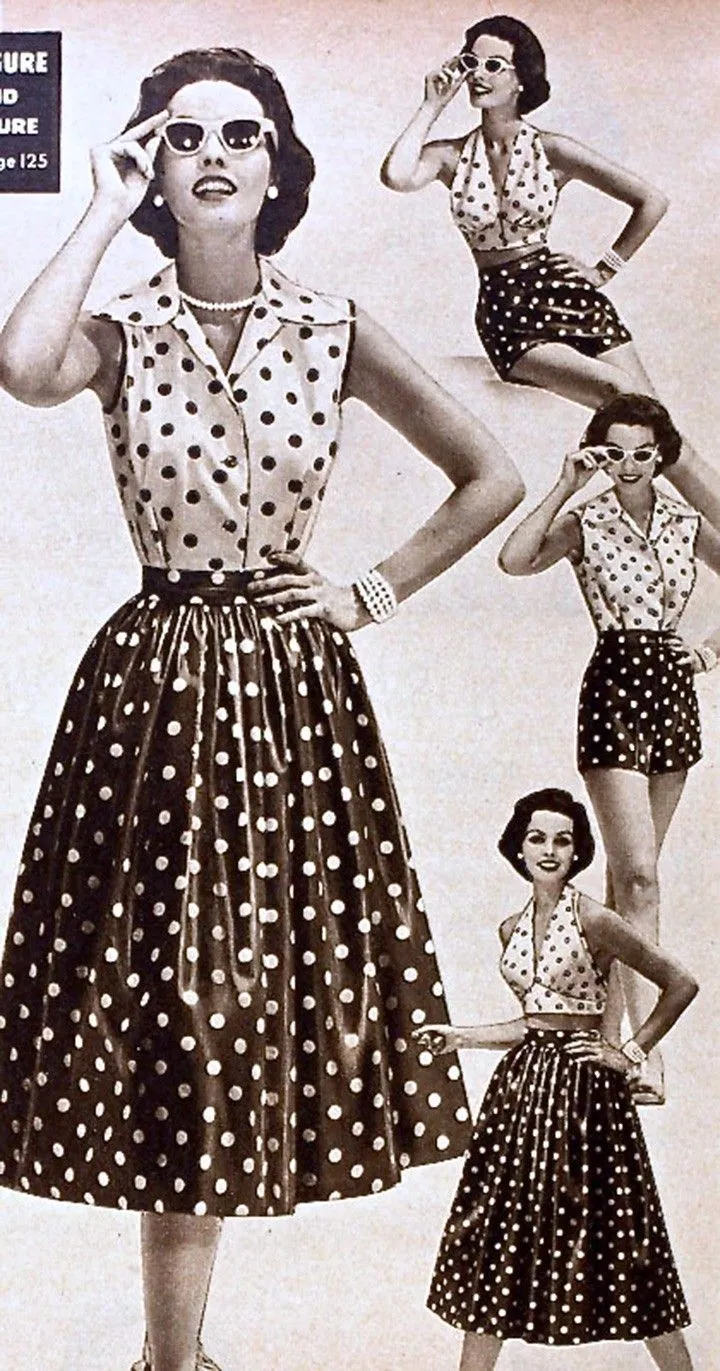
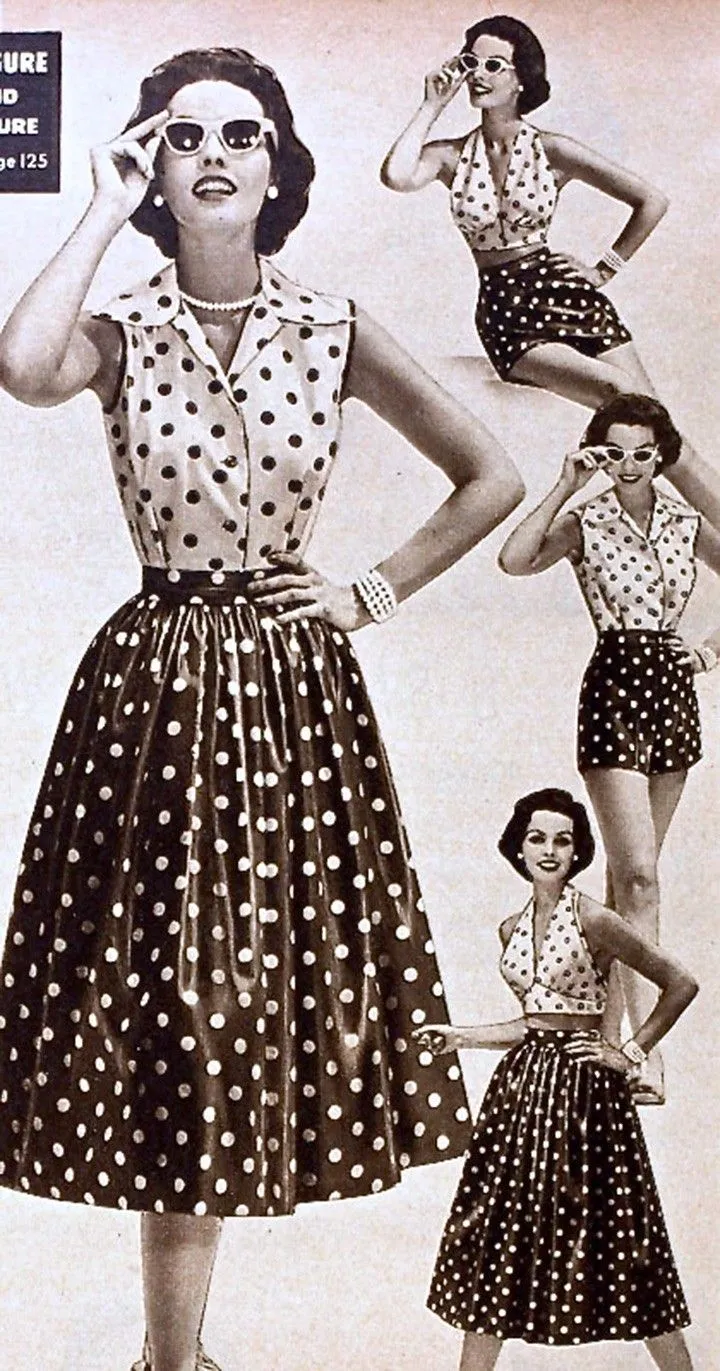
Picture the Golden Age of American pin-up. It's 1952, and somewhere in a Los Angeles studio, a photographer hired by a major men's magazine is orchestrating every detail of a shoot — the lighting, the pose, the exact shade of red on a model's lips. The model herself? She's lucky to have gotten the call. A talent agent brokered the deal, the magazine's art director approved the concept, and a printer in the Midwest will decide how many copies go out to newsstands from Bangor to Burbank. The image belongs to everyone except the woman at its center.
Fast-forward to right now. That same woman — or her 2024 equivalent — is shooting content in her apartment, setting her own rates, approving every frame before it goes live, and depositing subscription revenue directly into her bank account. No agent. No art director. No gatekeeper standing between her and her audience.
That's not a small shift. That's a revolution.
The Old Power Structure, Explained
To understand how dramatically things have changed, it helps to appreciate just how locked-down the traditional pin-up pipeline really was. From the postwar boom of the late 1940s through the magazine heyday of the 1970s and even into the early internet era, breaking into the industry meant navigating a hierarchy that was, frankly, designed to benefit everyone except the talent.
Modeling agencies acted as the primary filter. Photographers worked on assignment for publishers. Publishers answered to advertisers. And the models themselves — even the famous ones — often signed away image rights for flat fees, receiving little to nothing in residuals while their likenesses sold millions of copies. The iconic pin-up aesthetic we now celebrate as American cultural heritage was, in many ways, a product of industrial content production where creative control flowed upward and money flowed away from the source.
Digital distribution cracked that model open. But it was subscription-based creator platforms — most notably OnlyFans, which launched in 2016 and exploded in mainstream awareness around 2020 — that finally blew the doors off entirely.
The Economics of Cutting Out the Middleman
The numbers are genuinely striking. OnlyFans alone has paid out over $15 billion to creators since its launch, according to the company's own reporting. The platform takes a 20% cut, leaving creators with 80% of every subscription dollar, tip, and pay-per-view purchase. Compare that to the traditional modeling world, where talent agencies typically claimed 15–20% of already-negotiated fees, studios held licensing rights, and magazine contracts could leave a model earning cents on the dollar for images that ran for years.
For creators working in pin-up-adjacent spaces — glamour photography, vintage-style boudoir content, retro aesthetic shoots — the math is almost absurdly favorable compared to the old system. A creator with 500 dedicated subscribers paying $15 a month is clearing $6,000 monthly before tips. That's a real income, built on a direct relationship with an audience rather than the approval of a talent scout.
Beyond raw earnings, the control over creative output is arguably even more significant. Creators decide their own aesthetic. They set their own posting schedules. They choose their collaborators. If a photographer's vision doesn't align with theirs, they find a different photographer — or they pick up the camera themselves.
Aesthetic Implications: What Happens When Nobody's Telling You What Looks Good?
Here's where things get genuinely interesting from a creative standpoint. The gatekeepers of the Golden Age didn't just control distribution — they enforced a remarkably narrow aesthetic standard. Pin-up imagery of the 1940s and '50s celebrated a specific body type, a specific range of skin tones, a specific vision of femininity that reflected the tastes (and biases) of the mostly male editorial teams doing the selecting.
When creators control their own platforms, those filters disappear. What's emerged is a far more eclectic, genuinely diverse pin-up landscape. Vintage-inspired creators are bringing the bullet-bra aesthetic to body types that never would have been cast by a mid-century talent agency. Retro glamour is being claimed by creators of every race, size, age, and gender expression. The aesthetic vocabulary of classic American pin-up — the seamed stockings, the victory rolls, the knowing smile over one shoulder — is being applied to bodies and identities that the original gatekeepers never imagined.
That's not dilution of the tradition. That's the tradition finally fulfilling its actual promise.
The Cultural Conversation Nobody's Quite Having
It would be easy to frame this shift as purely a tech story — disruption, democratization, the internet eating another old industry. But there's a cultural dimension here that deserves more attention.
The pin-up image was always, at its core, about desire and aspiration — about constructing a version of feminine allure that felt simultaneously attainable and idealized. When a small group of editors and photographers controlled that construction, the resulting images reflected their desires and their aspirations. Now that creators are building their own audiences through direct relationships, the images that resonate are the ones that reflect something more mutual — a conversation between creator and fan rather than a broadcast from on high.
That shift matters. It's not just about who gets paid. It's about who gets to define what's desirable, what's glamorous, what counts as a pin-up in the first place.
What's Lost, What's Gained
Fairness demands acknowledging what the old system did well. The best Golden Age pin-up photography was produced with serious craft and serious resources — professional studios, skilled lighting technicians, master retouchers. Some of that production quality is genuinely hard to replicate on a creator's bedroom setup, and the democratization of content has brought with it an enormous amount of material that's more enthusiastic than technically accomplished.
But craft follows investment, and investment follows audience. The most successful creator-era pin-up photographers and models are reinvesting their platform earnings into better equipment, professional collaborations, and genuine artistic development. The gap between indie creator content and studio-produced imagery is closing faster than most industry observers expected.
What's unambiguously gained is agency. The women — and men, and nonbinary creators — building pin-up aesthetics on their own terms today have something their predecessors rarely had: ownership. Of their images, their brands, their income, and their vision of what desire looks like.
That's a trade the Golden Age never offered. And honestly? It looks good on them.