Bare Truths: How Showing the Real Thing Became the Hottest Move in Pin-Up
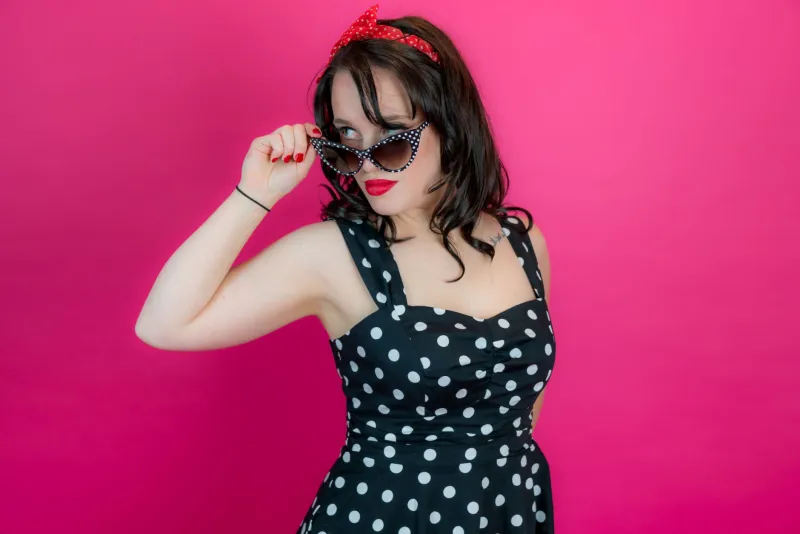
There's a particular kind of photograph that keeps surfacing in pin-up communities lately. The lighting is still gorgeous. The composition is still deliberate. But somewhere in the frame there's a stretch mark catching the light, or a surgical scar running along a hip, or a genuine nervous laugh frozen mid-exhale. And those images? They're the ones people can't stop talking about.
Something shifted. Nobody sent a memo, but the message landed anyway: raw is magnetic.
The Fantasy That Got Too Perfect
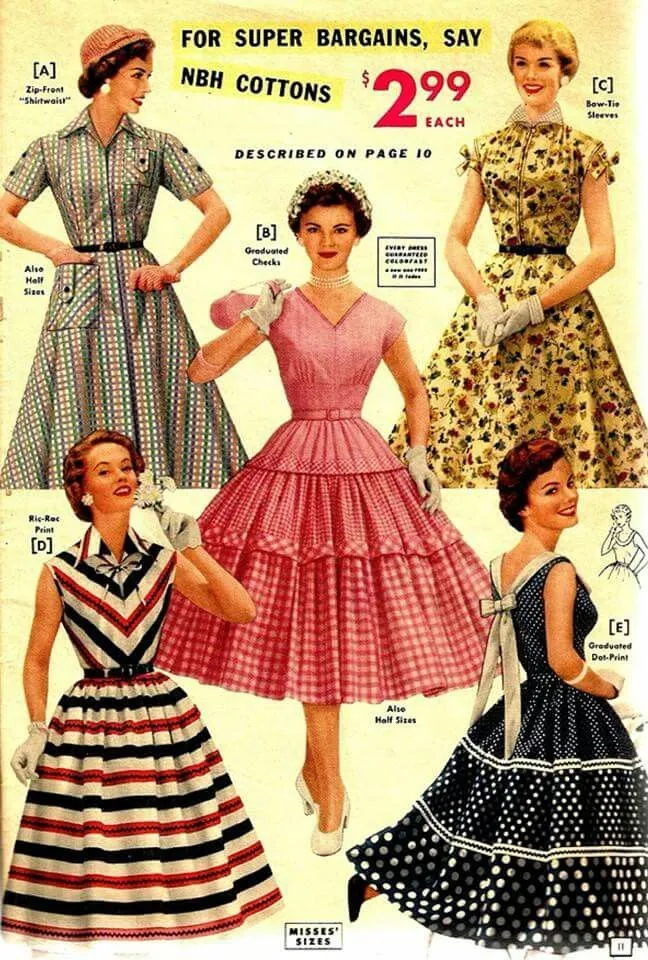
For decades, pin-up imagery operated on a clean transaction. The performer offered a carefully constructed ideal — smooth skin, symmetrical features, an expression calibrated somewhere between accessible and untouchable. The audience accepted the fiction. Nobody complained because everybody understood the deal.
But digital culture quietly broke that contract. When you can access thousands of technically flawless images in thirty seconds, perfection stops reading as special. It starts reading as wallpaper. The human brain, which evolved to detect authenticity as a survival mechanism, began filing airbrushed imagery under "advertisement" rather than "desire." And desire, it turns out, needs something to hold onto.
Photographers working in the pin-up space started noticing it in their comment sections first. The images their clients considered "almost good enough" — the ones where the subject's expression cracked into something real, or where the body showed evidence of actual living — were generating the deepest responses. Not polite appreciation. Actual emotional reaction.
What Vulnerability Actually Looks Like Through a Lens
This isn't about abandoning craft. Nobody's arguing for bad lighting and zero preparation. The photographers who are doing this well understand that vulnerability has to be held by technical skill, not replaced by it.
What's changed is the goal of the session. The old model treated a pin-up shoot as a performance to be perfected. The emerging model treats it as a conversation to be captured. There's a difference between a subject who has been directed into a pose that communicates confidence and a subject who actually feels something in that moment — and a camera will tell you which is which every single time.
Shooters across the country are rebuilding their prep processes around this. Longer consultations before the session. More candid time built into the schedule. A deliberate loosening of control at key moments to let something unscripted happen. The technical elements are still locked in — exposure, depth of field, the whole infrastructure of a well-made image — but there's space left open for the subject to arrive as themselves.
The results are images where the eyes have somewhere to go. Where you look at a photograph and feel like you've actually met someone.
The Psychology Running Underneath This
There's a term that keeps appearing in conversations about this shift: parasocial intimacy. It describes the feeling of genuine connection people develop with performers and creators they've never met in person. And the research is pretty consistent — parasocial intimacy deepens dramatically when the person on the other side of the screen shows vulnerability.
This isn't manipulation. It's actually the opposite. When a performer lets you see something real — a moment of uncertainty, a body part they were once told to hide, an emotion that wasn't scripted — they're extending trust. And trust, neurologically speaking, triggers reciprocal trust. The audience leans in. The connection becomes something they actively protect and return to.
For pin-up performers and content creators, this dynamic has real practical weight. Audiences who feel genuinely connected don't just consume — they advocate. They come back. They treat the performer's work as something that belongs partly to their own emotional landscape.
That's a fundamentally different relationship than the one built on fantasy alone.
Scars, Stories, and What They Actually Communicate
One of the more interesting conversations happening in pin-up photography communities right now centers on visible scars — surgical, accidental, the kind that bodies accumulate over a life actually lived. The traditional instinct was to minimize or retouch them. The emerging instinct is to light them well and let them stay.
The reasoning isn't just aesthetic, though the aesthetic argument is genuinely strong — scar tissue catches light differently, and that texture can be visually compelling in ways that unbroken skin simply isn't. The deeper reasoning is narrative. A scar communicates history. It says: this body has been through something. This person is still here.
In a cultural moment when audiences are exhausted by content that feels generated rather than lived, that kind of proof-of-life lands with real force.
Same principle applies to stretch marks, cellulite, asymmetry — all the things that previous generations of pin-up imagery worked hard to eliminate. They're not being celebrated in a performative, checkbox way. They're simply being allowed to exist, which turns out to be its own kind of statement.
Consent and Agency Are Part of the Aesthetic Now
This shift doesn't exist in a vacuum. It's happening alongside a broader cultural renegotiation of what it means to participate in explicitly desirable imagery — who controls it, who profits from it, and what the performer actually chooses to reveal versus what gets extracted from them.
The most compelling work in contemporary pin-up is almost always work where the subject's agency is visible. You can feel the difference between a performer who was talked into something and one who decided. That decision — that ownership — is itself part of what makes the image work. It's sexy in the literal sense: it produces desire. Because what people are actually responding to, underneath everything, is another person who knows what they want.
Vulnerability in this context isn't weakness. It's a deliberate act. Showing something real, something unguarded, something that could theoretically be used against you — and doing it anyway, on your own terms — is one of the bolder things a person can do in front of a camera.
What This Means for the Craft Going Forward
For photographers, it's a recalibration of what a successful session looks like. Technical perfection is the floor, not the ceiling. The ceiling is a photograph that makes a stranger feel something.
For performers and creators, it's permission to stop performing the version of themselves they thought the audience wanted, and start trusting that the actual version is more interesting. Which, based on everything the data and the comment sections and the DMs are saying right now, it absolutely is.
Pin-up has always been about desire. The new question is what desire actually wants — and increasingly, the answer is: something true.
The fantasy isn't dead. It just got a lot more honest.