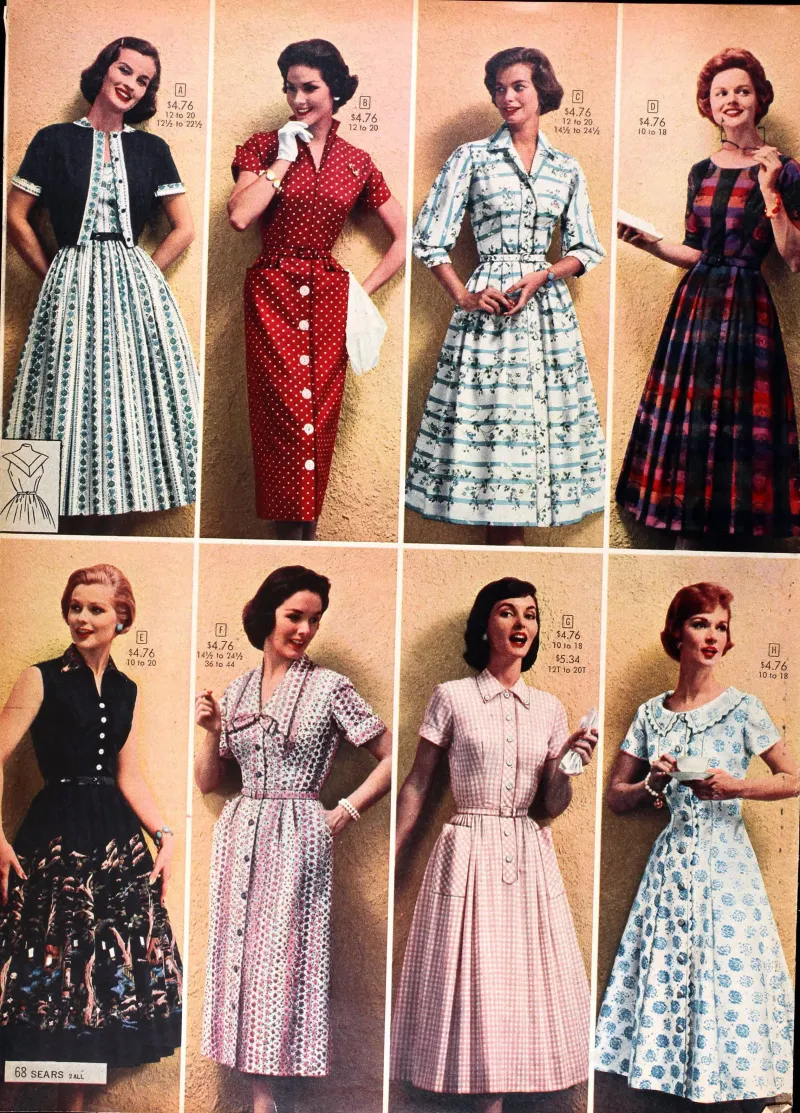
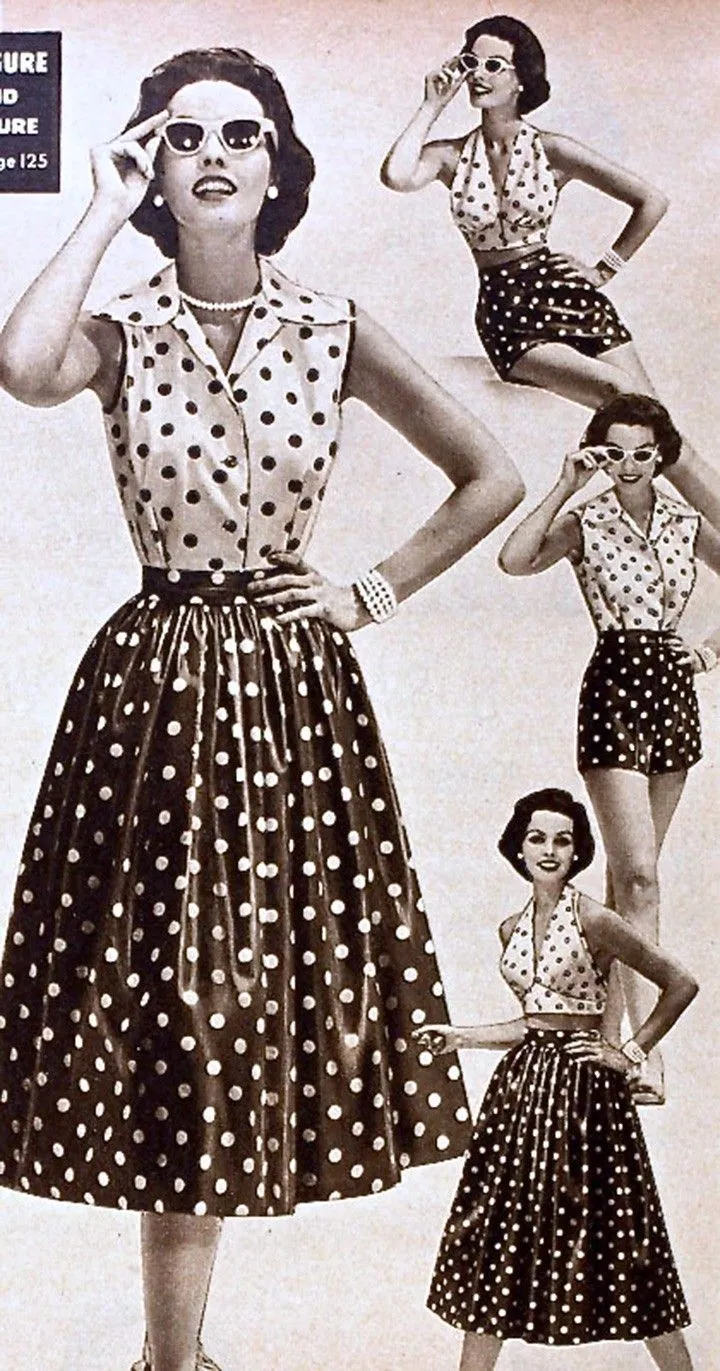
The Velvet Hustle: How Pin-Up Performers Built Six-Figure Empires Outside the Algorithm
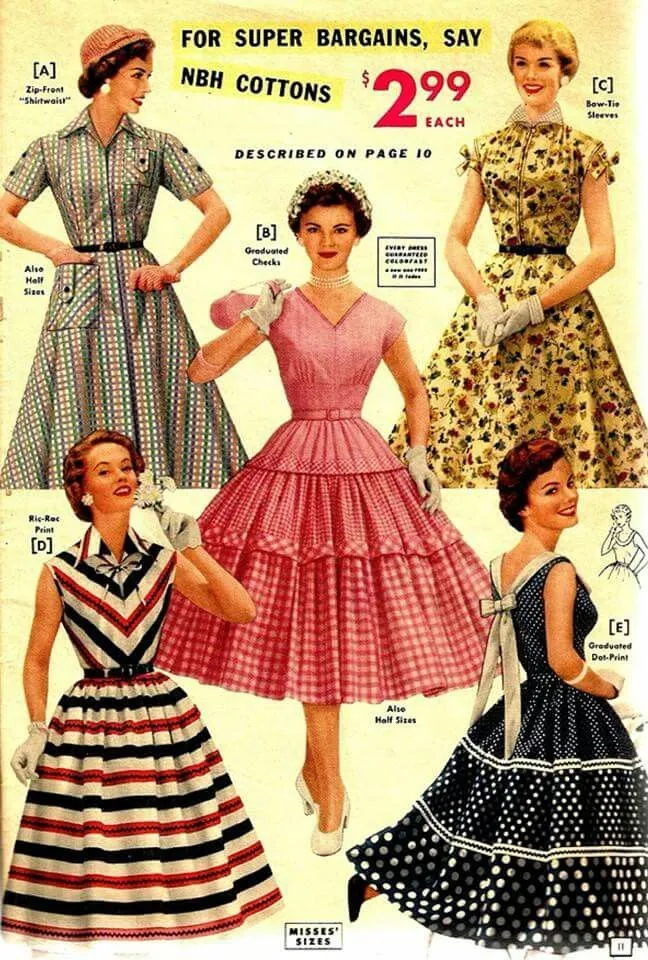
Photo: vintage burlesque performer backstage dressing room retro glamour preparation, via i.pinimg.com
Ask a working pin-up performer about Instagram's content policies and you'll get a very specific kind of laugh. Not bitter, exactly. More like the laugh of someone who got locked out of a building, found a better entrance around back, and has since renovated the whole place in their own name.
The algorithmic suppression of adult-adjacent content on mainstream platforms — the shadowbans, the sudden reach drops, the community guideline strikes on photos that would have run in a 1950s men's magazine without anyone blinking — turned out to be one of the most accidentally useful things that ever happened to the pin-up industry.
Getting Pushed Off the Main Stage
Around 2018 and 2019, performers who'd built substantial followings on Instagram and Facebook started noticing something: their engagement was cratering without explanation. Posts that had previously reached tens of thousands of followers were landing with a fraction of that audience. Vintage lingerie shots, burlesque performance stills, classic pin-up poses — content that was, by any reasonable standard, far less explicit than a prime-time network drama — was being filtered into obscurity by systems that couldn't distinguish between a Bettie Page homage and content that actually violated platform rules.
The performers who survived this — and more importantly, who thrived — did so by treating the suppression as market information rather than punishment. If the platforms were going to make distribution unreliable, they'd build distribution systems they controlled entirely.
The Private Event Economy
One of the most significant shifts has been toward private events: curated experiences that sit somewhere between burlesque performance, themed cocktail party, and immersive vintage fantasy. Held in rented estate homes, private clubs, boutique hotels, and occasionally converted warehouses dressed to look like 1940s supper clubs, these events have become a serious revenue stream for performers who know how to work a room.
The economics are compelling. A well-produced private pin-up event in a city like New York, Chicago, or Los Angeles can bring in anywhere from $5,000 to $30,000 for a single evening, depending on the performer's profile, the event's scale, and what the package includes. Some performers offer tiered experiences — general attendance, VIP access, private photo sessions, commissioned custom sets — that layer income streams on top of the base performance fee.
Booking agencies that specialize in vintage entertainment have emerged to facilitate these arrangements, handling contracts, venue relationships, and the logistical infrastructure that most performers don't want to manage themselves. A handful of boutique agencies operating out of major US cities now represent rosters of pin-up and burlesque talent exclusively, functioning less like traditional talent agencies and more like luxury event production companies.
Patreon, Subscriptions, and the Bespoke Commission
The subscription model has been genuinely transformative. Patreon gave performers a way to build recurring revenue from a dedicated audience willing to pay monthly for access to content, behind-the-scenes material, and direct interaction — none of which requires platform approval or survives on algorithmic reach.
The performers who've done this most successfully treat their Patreon presence less like a content dump and more like a membership club with real curation and personality. Monthly themed shoots, vintage styling tutorials, letters from the performer in actual character, early access to event tickets — the packages that retain subscribers longest are the ones that make supporters feel like insiders rather than customers.
Bespoke commissions are the top tier of this economy. Custom content — a personalized pin-up shoot styled to a client's specific vintage era preference, a private video set in a particular aesthetic, a commissioned series built around a couple's anniversary or a collector's request — commands premium pricing precisely because it's unrepeatable. Performers with established reputations charge anywhere from $500 to several thousand dollars for custom work, and the demand consistently outpaces availability.
The Costume Makers and the Infrastructure Behind the Curtain
None of this works without the craftspeople. The pin-up creator economy has generated a parallel ecosystem of specialists: custom corset makers, vintage reproduction seamstresses, prop stylists, hair and makeup artists who specialize in period-accurate looks, and photographers who understand exactly how to light a satin garment in a way that references the original Kodachrome aesthetic without being a direct copy.
Some of these specialists have built their own significant businesses entirely on referrals from the performer community. A custom costume maker in the Los Angeles area who works primarily with burlesque and pin-up performers can be booked six months out. A photographer in Nashville who's developed a reputation for authentic 1940s-style pin-up work has a client list that includes performers flying in from out of state specifically for a shoot.
The interdependence is real and it's deliberate. Performers recommend their collaborators. Collaborators refer clients. The community polices its own quality standards because everyone's reputation is connected.
Creative Control as the Actual Product
Here's the part that doesn't get said enough: the performers who've built the most durable businesses in this space will tell you that the money matters, but what they're actually selling — and what their audience is actually buying — is authenticity.
When a pin-up performer controls her own booking, her own content, her own aesthetic direction, and her own pricing, the work that comes out of that process has a quality that platform-dependent content simply can't replicate. The audience can feel the difference between someone performing for an algorithm and someone performing for herself and her people.
Algorithmic suppression was supposed to marginalize these performers. Instead, it handed them something more valuable than reach: it handed them ownership. And as anyone in the pin-up world will tell you, owning the frame is everything.