Not Your Grandmother's Pin-Up: How Gen-Z and Millennials Are Rewriting an Iconic American Fantasy
There's a particular kind of thrill that comes from slipping on a pair of high-waisted shorts, pinning a silk flower into freshly curled hair, and staring down a camera lens like you own every inch of the frame. Ask any of the thousands of young women currently flooding TikTok and Instagram with vintage-inspired content, and they'll tell you — this isn't cosplay. It's a statement.
Pin-up culture, once the exclusive domain of wartime GI fantasy and the male gaze, has been quietly, confidently hijacked. And honestly? It looks better than ever.
The Original Fantasy — And Its Complicated Legacy
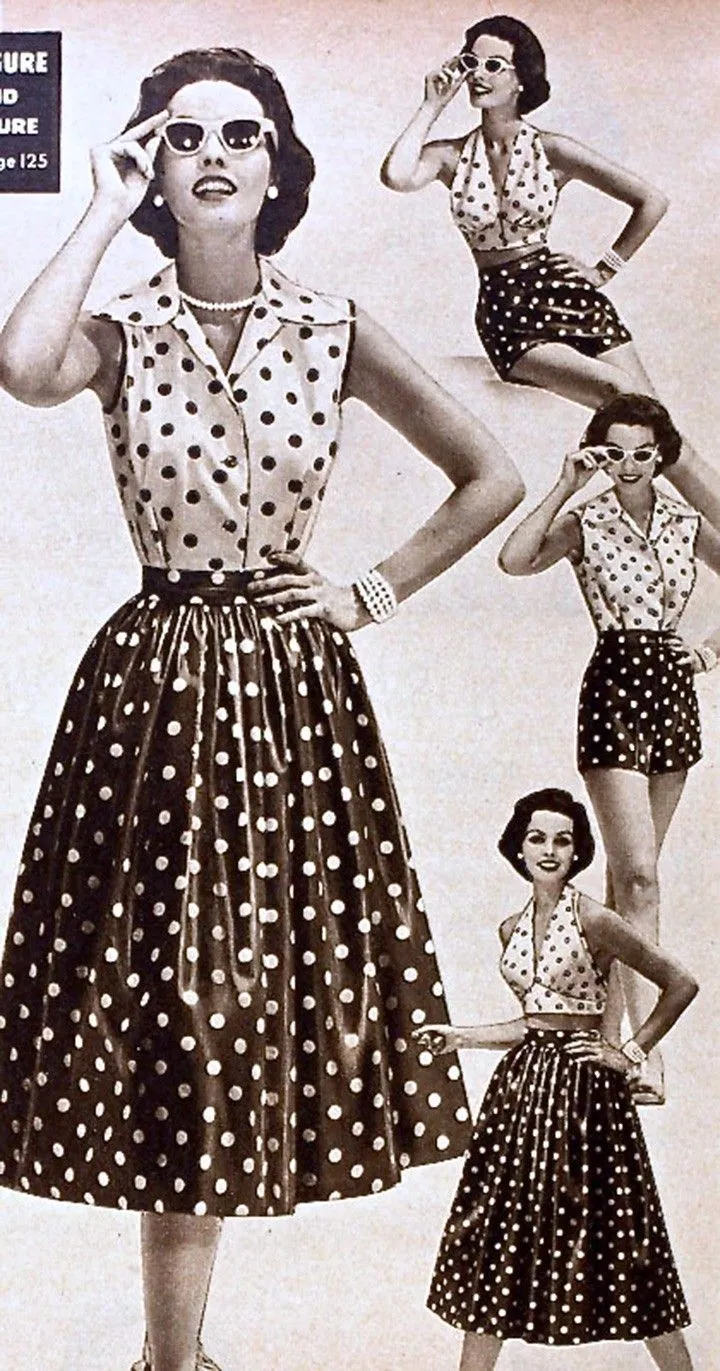
Let's not pretend the mid-century pin-up existed in a vacuum. The classic American pin-up — think Bettie Page arching against a leopard print backdrop, or the Vargas girls spilling across calendar pages — was largely created by men, for men. The imagery was gorgeous, no question. The aesthetic was chef's kiss. But the women in those photos rarely controlled the narrative around their own image. They were objects of desire first, people second.
That's the part younger generations are actively dismantling.
The new wave of pin-up enthusiasts isn't ignoring history — they're interrogating it. They understand the roots. They've watched the documentaries, read the biographies, and they're choosing to lift the visual language of that era while leaving the power imbalance firmly in the past.
Social Media as the New Studio
Before digital platforms, becoming a pin-up model meant navigating a pretty narrow industry. You needed a photographer, an agent, the right connections. Now? A ring light, a thrifted circle skirt, and a decent phone camera can launch a career — or at least a seriously enviable aesthetic presence.
Instagram and TikTok have become the new pin-up studios, and the creators running them are calling every single shot. They choose their angles. They write their own captions. They decide which photos get posted, which ones get deleted, and how their image is packaged and sold. That level of authorship is genuinely new in the history of this art form.
OnlyFans has pushed the conversation even further. Creators in the vintage-inspired adult space are building subscription communities where fans pay directly for content — no middleman, no agency taking a cut, no photographer owning the negatives. The economics are as revolutionary as the aesthetics. Women who might have been "discovered" by someone else in a previous era are now discovering themselves, on their own schedules, with their own creative direction.
The Psychology of Nostalgia-Driven Desire
So why the vintage aesthetic specifically? Why not just... modern glamour?
There's something interesting happening psychologically when desire gets filtered through a retro lens. Nostalgia creates emotional distance — it softens edges, adds a kind of cinematic warmth that contemporary photography sometimes lacks. When a 26-year-old shoots herself in a bullet bra and cat-eye liner, she's not just referencing the 1950s. She's constructing a fantasy that feels both familiar and completely invented.
For many younger creators, the pin-up aesthetic also functions as armor. The exaggerated femininity — the red lips, the dramatic curves, the knowing smile — isn't submission. It's performance in the theatrical sense. It says: I know exactly what I'm doing here, and I'm doing it for me.
Body positivity has also reshaped who gets to inhabit the pin-up frame. The original pin-up had a pretty rigid physical template. Today's version is deliberately, joyfully expansive. Curvy creators, tattooed creators, disabled creators, trans and nonbinary creators — all of them are showing up in victory rolls and wiggle dresses and claiming the aesthetic as theirs. That's not a small shift. That's a seismic one.
Indie Photography Communities and the DIY Glamour Movement
Beyond social media, there's a thriving underground of indie pin-up photographers operating out of cities like Portland, Austin, Chicago, and Brooklyn. These aren't high-budget commercial operations — they're collaborative, often feminist-run studios where the photographer and subject work together to build a visual story.
Many of these spaces explicitly position themselves as body-positive, consent-forward environments. Shoots begin with conversations about comfort levels, boundaries, and the kind of image the subject wants to create. The resulting photos often have a warmth and authenticity that slicker commercial work can lack — because the person in front of the camera actually wanted to be there, on those exact terms.
Zines, Etsy shops, and small-run print calendars have also become popular distribution methods for this community. There's something poetic about returning pin-up imagery to physical print — a callback to the original format — while filling those pages with a completely updated vision of who gets to be desired and who holds the power in that exchange.
Keeping the Allure, Dropping the Baggage
The most interesting thing about this cultural moment isn't the aesthetics themselves — it's the deliberate curation happening around them. Young women are making active, informed choices about which parts of pin-up history they want to carry forward.
The glamour? Absolutely. The playfulness, the theatricality, the unapologetic celebration of a body that takes up space and enjoys doing it? Yes, all of that. The part where someone else decides your value and controls your image? Hard pass.
That's a pretty sophisticated piece of cultural editing, and it's happening organically, driven by individual creators rather than any brand or trend cycle.
At Pin-Up 682, we've always believed that vintage glamour and modern desire aren't in conflict — they're in conversation. What the current generation is proving is that the conversation can be richer, more inclusive, and more honest than it's ever been. The pin-up isn't a relic. She's just been waiting for the right people to pick up the torch.