Dressed to Last: How Pin-Up Style Became Fashion's Fiercest Act of Defiance
There's something almost confrontational about showing up in a perfectly fitted 1950s wiggle dress when the rest of the world is three weeks into wearing whatever micro-trend TikTok decided mattered this month. You're not just making a style choice. You're making a statement — whether you mean to or not.
Pin-up culture has always carried a certain defiance in its DNA. But lately, that defiance is taking on a new shape. As fast fashion continues to flood the market with cheap, disposable pieces designed to fall apart before the next trend cycle kicks in, a growing number of pin-up creators, enthusiasts, and everyday women are pushing back — not with protests or hashtags, but with their closets.
The Problem With Cheap and Plenty
Fast fashion is a numbers game. The business model depends on you buying more, wearing it less, and tossing it faster. The average American throws away roughly 81 pounds of clothing per year, according to the EPA. Most of it ends up in landfills. The rest gets exported to countries that didn't ask for it.
The irony is that despite all this abundance, most people feel like they have nothing to wear. Because when everything is disposable, nothing actually fits your life — your body, your personality, your actual daily reality. You end up with a closet full of stuff and no real style.
Pin-up aesthetic operates from a completely different premise.
Quality Over Quantity, Every Time
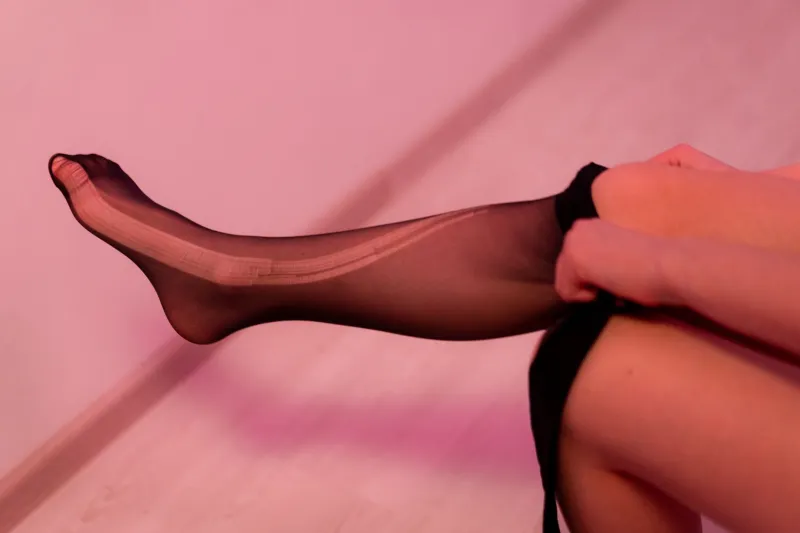
At the core of pin-up dressing is the idea that a few exceptional pieces beat a mountain of mediocre ones. The golden-era pin-up wasn't swimming in options — she had a handful of garments that were well-made, well-fitted, and worn with absolute intention. A good circle skirt. A structured bra. A pair of seamed stockings that made every outfit feel like a production.
Modern pin-up creators have inherited that sensibility. Many are deliberately building capsule wardrobes — small, curated collections of pieces they'll wear for years rather than seasons. Vintage sourcing plays a huge role here. A genuine 1950s or 1960s garment, properly cared for, has already proven it can survive decades. That's the opposite of a $12 polyester top from a fast-fashion app.
"I'd rather save up for one incredible piece than buy ten things I feel okay about," says one creator who runs a successful pin-up-focused content platform. "My wardrobe is small, but everything in it makes me feel like myself. I can't say that about anything I've ever bought in a hurry."
Vintage Sourcing as Resistance
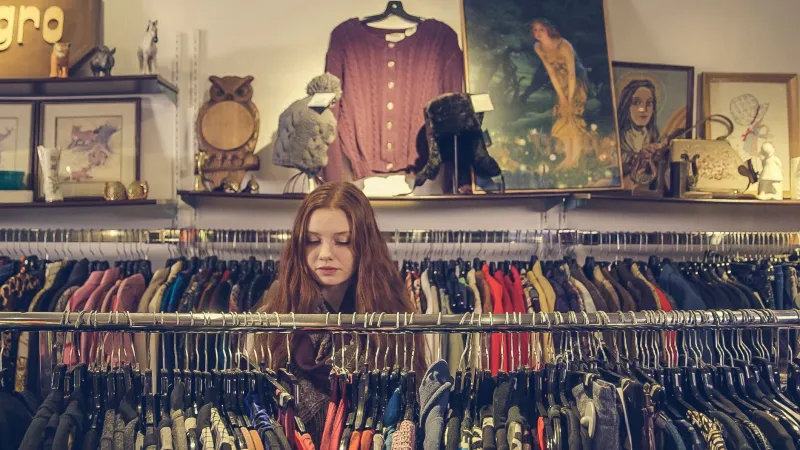
There's a whole underground economy built around keeping vintage clothing alive. Estate sales. Thrift stores with actual vintage sections, not just last year's H&M. Specialty dealers who know their fabrics, their eras, their silhouettes. Online platforms where serious collectors trade pieces that have real history in them.
Pin-up creators are some of the most dedicated participants in this ecosystem. They're not just shopping — they're preserving. Every vintage piece that gets worn again instead of decomposing in a donation bin is a small victory against the throwaway culture that's eating the fashion industry alive.
And it's not just about the clothes. It's about the knowledge that comes with them. Learning to identify quality fabric. Understanding construction. Knowing the difference between a garment that was made to last and one that was made to sell. That knowledge is genuinely countercultural right now.
The Pin-Up Capsule Wardrobe in Practice
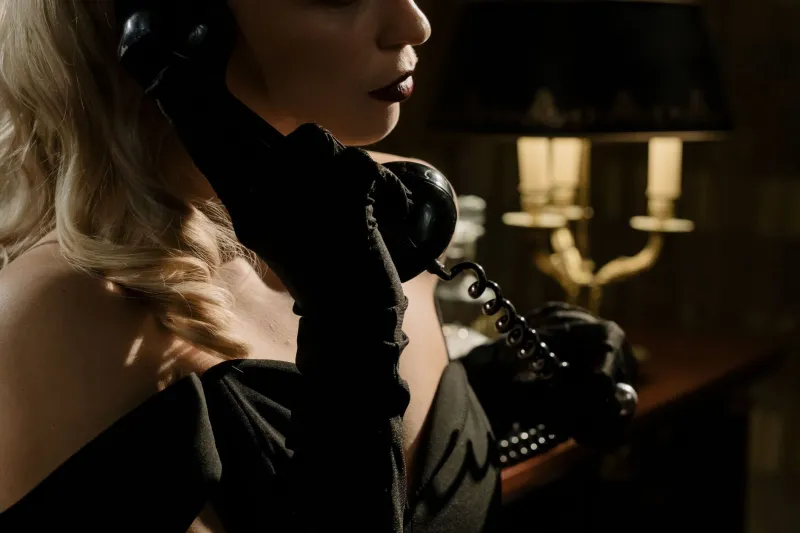
What does this actually look like in practice? For most serious pin-up dressers, it starts with a few non-negotiables: a great foundation garment, two or three silhouettes that work for your body, a handful of prints that photograph well and feel personal, and accessories that do heavy lifting — gloves, belts, hats, jewelry that isn't going anywhere.
From there, it's about resisting the urge to chase every new thing. When a trend surfaces, the question isn't "is this cute?" but "will I still love this in five years?" That single filter eliminates about ninety percent of what fast fashion is selling at any given moment.
Some creators go further, committing to a buy-nothing-new philosophy for their pin-up wardrobe entirely. Everything gets sourced secondhand. It's a constraint that sounds limiting but actually produces more creativity — you have to hunt, adapt, alter, and problem-solve in ways that off-the-rack shopping never demands.
Why This Matters Beyond Fashion
Here's the thing about building a wardrobe this way: it changes how you relate to your own image. When your clothes have history — when you know where they came from, when you had to work to find them, when they actually fit your body instead of a size chart — getting dressed becomes something different. It stops being a source of low-grade anxiety and starts being a genuine pleasure.
That shift is not incidental to pin-up culture. It's central to it. The whole aesthetic is built on the idea that how you present yourself is worth caring about — not because you owe it to anyone else, but because it's one of the ways you inhabit your own life fully.
Fast fashion sells you the fantasy of effortless style while making real style increasingly impossible. Pin-up culture, at its best, offers something more honest: the understanding that looking and feeling genuinely good takes intention, patience, and the willingness to invest in things that actually last.
That's not nostalgia. That's a philosophy. And right now, it might be the most radical thing happening in American fashion.