The Frame That Left People Out: Pin-Up's Complicated History and the Artists Rewriting It
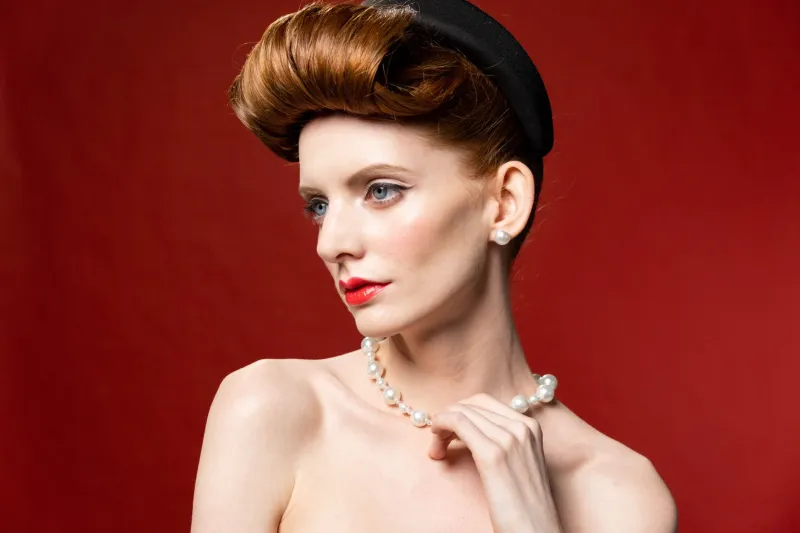
The golden age of American pin-up is easy to love. The colors are saturated, the confidence is infectious, and there's something genuinely thrilling about images of women who seem completely at ease in their own skin during an era that offered them limited options outside of it. The nostalgia is real and it's not baseless.
But nostalgia has a way of softening edges that shouldn't be softened, and the edges of mid-century pin-up culture are sharp enough to draw blood if you look at them honestly. The "golden age" was golden for a very specific slice of women: white, typically thin or hourglass-figured, usually middle-class enough to access the studios and magazines that defined the form. Everyone else — Black women, queer performers, working-class artists without industry connections — was largely outside the frame. Not by accident. By design.
That history doesn't cancel the aesthetic. But it does require a reckoning if the form is going to mean what its most enthusiastic contemporary advocates claim it means.
What the Mainstream Record Actually Shows
The iconic pin-up images most people picture when they hear the term — Gil Elvgren's paintings, the Vargas Girls in Esquire, the Playboy centerfolds of the early 1950s — were almost exclusively white. This wasn't a reflection of who was actually creating, performing, and existing in adjacent entertainment spaces. Black entertainers were working in burlesque, in jazz clubs, in traveling shows throughout the same period. They were photographed, admired, and desired. They were simply not granted access to the mainstream commercial machinery that turned certain women into cultural icons.
The segregation of the pin-up industry mirrored the segregation of everything else. Black-owned publications like Ebony and Jet ran their own pin-up content — and produced genuinely stunning imagery — but operated in a parallel universe that mainstream culture either ignored or actively suppressed. The performers who appeared in those pages were every bit as glamorous, as skilled, as deliberately constructed as their white counterparts. They just didn't get the same mythology built around them.
Class operated as its own filter. The aspirational quality of mainstream pin-up was tied to a specific vision of American femininity that required resources: professional photography, quality clothing, access to makeup and styling. Women without those resources — regardless of race — were largely excluded from the form's prestige tier, even as their labor and creativity fed into the entertainment industries surrounding it.
The Queer Undercurrent That Got Edited Out
Burlesque and pin-up spaces in mid-century America were significantly queerer than the mainstream record suggests. Lesbian and bisexual performers were working in these environments, creating community within them, and in some cases building entire careers on the margins of an industry that tolerated their presence as long as it remained unspoken.
The mainstream pin-up aesthetic that got canonized was almost aggressively heterosexual in its framing — images constructed for a presumed male gaze, with female desire rarely acknowledged as a thing that existed independently. The queer women who inhabited these spaces, who consumed pin-up imagery with a different kind of investment, who created their own versions of the aesthetic in underground and semi-underground contexts — they were there. The official history just wasn't written to include them.
This matters because the contemporary reclamation of pin-up as an empowering aesthetic often relies on arguments about female agency and self-expression that feel more honest when you acknowledge that queer women were making those same arguments, in practice if not always in theory, decades before the conversation became mainstream.
What Modern Creators Are Actually Doing
The most interesting thing happening in contemporary pin-up culture isn't the nostalgia. It's the deliberate, sometimes explicitly political act of putting bodies and faces into the frame that the original frame excluded.
Black pin-up creators are doing work right now that directly engages with the aesthetic's history — not by pretending the exclusion didn't happen, but by claiming the visual language anyway and reshaping what it communicates in the process. Photographers like those working in the tradition of Earline Byrd or building on the legacy of Ebony's glamour photography are producing images that feel simultaneously vintage and entirely contemporary. The aesthetic vocabulary is classic. The statement being made is new.
Queer pin-up has developed its own robust visual culture that plays with the form's conventions in ways that are funny, subversive, and often more interesting than straight-line nostalgia. When two women recreate a classic pin-up setup together, the image doesn't just include queer desire — it asks questions about who the original images were actually for and who was always secretly in the audience.
Plus-size creators have been pushing back against the form's body standards for years, and increasingly that pushback is being received as what it always was: not a deviation from pin-up but an expansion of it. The hourglass wasn't the only body that existed in mid-century America. It was just the only one that got the mainstream spotlight.
Holding Both Things at Once
The challenge — and the opportunity — of engaging seriously with pin-up culture right now is resisting the pull toward two easy positions. One is uncritical nostalgia that treats the golden age as uniformly golden and gets uncomfortable when the exclusions are named. The other is a kind of wholesale rejection that throws out the aesthetic because of the industry's history.
Both responses avoid the more interesting work, which is understanding what the form was actually doing, who it was doing it for, who it left out and why, and what it could do now in different hands.
The pin-up aesthetic at its core is about visibility. About claiming space in the frame. About saying: this body, this face, this person deserves to be seen and desired and celebrated. That's a powerful idea. It's powerful enough that it was worth fighting over in the 1940s and it's worth fighting over now.
The women building contemporary pin-up culture — Black creators, queer performers, artists from working-class backgrounds who never saw themselves in the vintage photographs — aren't correcting the aesthetic. They're completing it. They're finishing the argument that the golden age started and then refused to finish.
That's not a nostalgia trap. That's actually the most interesting thing happening in American visual culture right now.